
Journals in Parasitology and Insect Science
Explore our comprehensive selection of journals covering parasitology and insect science, spanning foundational research to applied sciences.
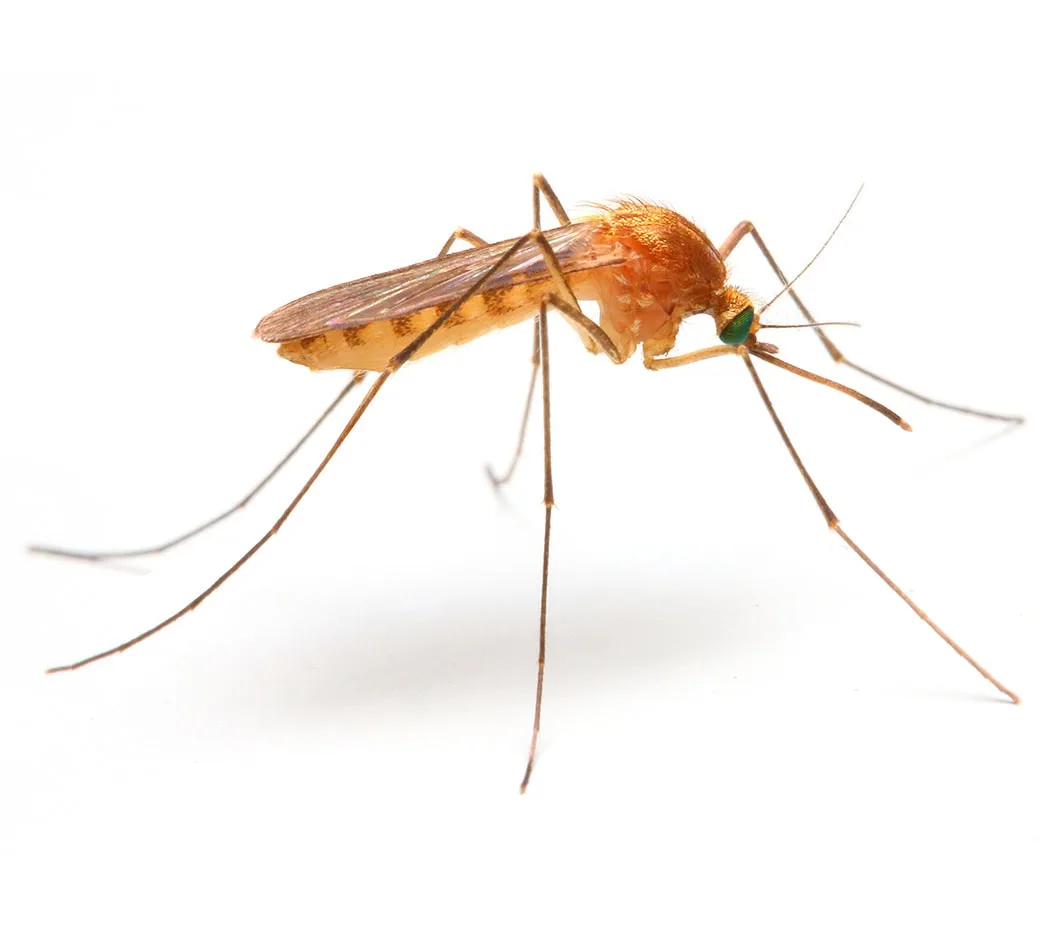
Welcome to Elsevier’s Parasitology and Insect Science journal collection
Our Editors are recognized leaders in their respective fields, passionate about advancing knowledge in parasitology and insect science. They are eager to review your research for potential publication, helping you share your discoveries with a global community of scientists. Elsevier supports authors through a diverse portfolio of journals, offering a variety of publishing models, scopes, and strong citation metrics to maximize the impact of your work.
Elsevier collaborates with prominent societies and experts in parasitology and entomology, ensuring rigorous peer review and broad dissemination. All journals are hosted on ScienceDirect, providing your research with unparalleled visibility to millions of researchers worldwide and increasing its influence in the field.
Our journals
Explore our comprehensive selection of journals covering parasitology and insect science, spanning foundational research to applied sciences. From Acta Tropica and International Journal for Parasitology to Current Research in Insect Science and Journal of Insect Physiology, our collection addresses a broad spectrum of topics including vector-borne diseases, parasite biology, molecular mechanisms, insect physiology, biological control, pesticide biochemistry, and much more. Stay informed and connected with the latest scientific advances shaping parasitology and insect science today.
Parasitology journals:
Insect Science journals:
Society news
At Elsevier, we believe in the power of partnerships.
We are committed to helping societies realize their mission and to advancing progress within their communities. Elsevier continues to be the partner of choice for prominent societies in parasitology and entomology. Learn about some of our valued society partnerships and exciting new society agreements.
British Society for Parasitology
Elsevier is pleased to announce a new partnership between the British Society for Parasitology (BSP)opens in new tab/window and 11 Elsevier parasitology journals, which is aimed at advancing parasitology research and fostering professional growth within the parasitology research community. As of 2026, Elsevier will sponsor the BSP Annual Meeting and together with the Society will co-organise a series of publishing and professional development workshops, prioritizing mentorship of early career researchers in scientific publishing and promoting inclusion and equity. Together, we reaffirm our shared commitment to scientific excellence and to ensuring broad and equitable access to knowledge in scholarly publishing.
Equity in Parasitology (EQUIP) Scholarship
Elsevier is proud to continue our partnership with EQUIP to support parasitology researchers as a sponsor of the Equity in Parasitology (EQUIP) Scholarshipopens in new tab/window—a strategic award designed to support women scientists from low and middle-income countries (LMICs) to attend international parasitology conferences.
European Federation of Parasitologists
As of January 1, 2026, Food and Waterborne Parasitologyopens in new tab/window underwent a change in ownership, transferring from the International Association for Food and Waterborne Parasitology (IAFWP) to the European Federation of Parasitologists (EFP)opens in new tab/window—a federation with 31 Member Societiesopens in new tab/window representing over 6,000 parasitologists, all over Europe, and beyond. Elsevier is delighted to continue its collaboration with EFP, supporting the journal’s ongoing mission to publish high-quality research. Read the announcement hereopens in new tab/window.

International Federation for Tropical Medicine
Elsevier has a strong partnership with the International Federation for Tropical Medicine (IFTM)opens in new tab/window which promotes global collaboration in tropical medicine, and is proud to be an affiliate of their official journal, One Healthopens in new tab/window.

Japanese Society of Parasitology
Elsevier is proud to partner with the Japanese Society of Parasitologyopens in new tab/window which aims to promote academic research, development, and the dissemination of parasitology, through conferences and journal publications, in the publication their official journal, Parasitology Internationalopens in new tab/window.
Society for Invertebrate Pathology (SIP)
Elsevier is proud to announce a new 5-year agreement to continue our long standing partnership with the Society for Invertebrate Pathology (SIP)opens in new tab/window, reaffirming the Journal of Invertebrate Pathologyopens in new tab/window as the official journal of the Society. Through this renewed collaboration, we look forward to building on our strong relationship with SIP and continuing to support the invertebrate pathology research community. As part of this agreement, Elsevier remains committed to working closely with the Society to promote and champion early career researchers, helping to foster the next generation of scientific leaders in the field.

The Australian Society for Parasitology
Elsevier has a long-standing and valued partnership with The Australian Society for Parasitologyopens in new tab/window which supports parasitology research in Australia and around the world. The Australian Society for Parasitology is a sponsor of International Journal for Parasitologyopens in new tab/window, International Journal for Parasitology: Drugs and Drug Resistanceopens in new tab/window and International Journal for Parasitology: Parasites and Wildlifeopens in new tab/window.

World Association for the Advancement of Veterinary Parasitology (WAAVP)
Elsevier is proud to partner with the largest international veterinary parasitology organization in the world, World Association for the Advancement of Veterinary Parasitology (WAAVP)opens in new tab/window, in the publication of their official journal, Veterinary Parasitologyopens in new tab/window.
World Federation of Parasitologists
Elsevier is proud to partner with the World Federation of Parasitologists (WFP)opens in new tab/window, which aims to unite those engaged in the study of parasites and to present forums for international exchange of information and ideas, in the publication of Parasite Epidemiology and Controlopens in new tab/window.
Journal authors resources
Every year, we accept and publish more than 600,000 journal articles. Publishing in an Elsevier journal starts with finding the right journal for your paper. If you already know the journal to which you want to submit, you can enter the title directly in the find a journal search box. Alternatively, you can match the abstract of your article to a journal.
Open access
Open access is a key part of our commitment to a collaborative, inclusive, and transparent world of research where quality knowledge can be shared and built upon to advance outcomes.
As a global leader in open access, we offer a wide range of options to fit the diverse needs of researchers, institutions, academic societies, and funders around the world. We listen to our customers and collaborate with them to achieve their research goals and we do so without compromising on the things they trust us for: quality, rigorous peer review and research integrity.
Open access agreements
A growing number of researchers worldwide are supported in full or in part by their institutional network to publish Open Access in many of our journals. Not sure if you are covered? Browse through our OA Agreement term repository to find out if you are eligible from OA support from your institution.
Get involved
Call for papers
Some of our groundbreaking special issues could benefit from your contributions! Our full list of open Calls for Papers has numerous options for you to put forth your unique perspective in review article format, and some, even allow for novel full-length article submissions that fit the issues thematic scope.
News
ISBCW 2026: Excellence Awards sponsored by Elsevier journals
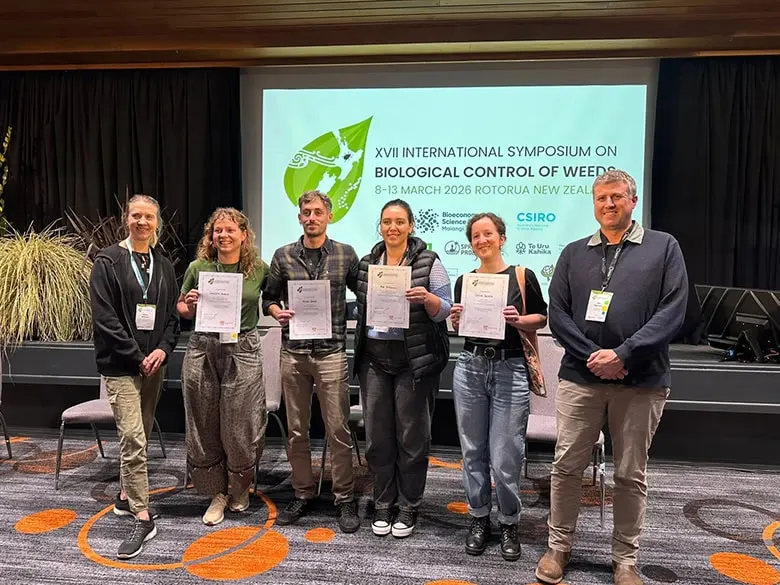
We are pleased to announce that the Elsevier-Sponsored Excellence Awards were presented at the XVII International Symposium on Biological Control of Weeds (ISBCW 2026), held from 8–13 March 2026 in Rotorua, Aotearoa New Zealand. The symposium is a premier global forum for researchers and practitioners advancing the science and application of biological control of weeds.
The 2026 Excellence Awards were sponsored by four Elsevier journals:
Student Poster Prize, sponsored by Biological Control
Non-Student Poster Prize, sponsored by Pesticide Biochemistry and Physiology
Student Speaker Prize, sponsored by Journal of Insect Physiology
First-Time Speaker Prize, sponsored by Current Research in Insect Science
This sponsorship reflects Elsevier’s commitment to continue supporting research and fostering professional development in the field of entomology.
We thank the organisers for facilitating the sponsorship and congratulate all award recipients on their outstanding contributions to the field.
ISBCW 2026: Excellence Awards winners